
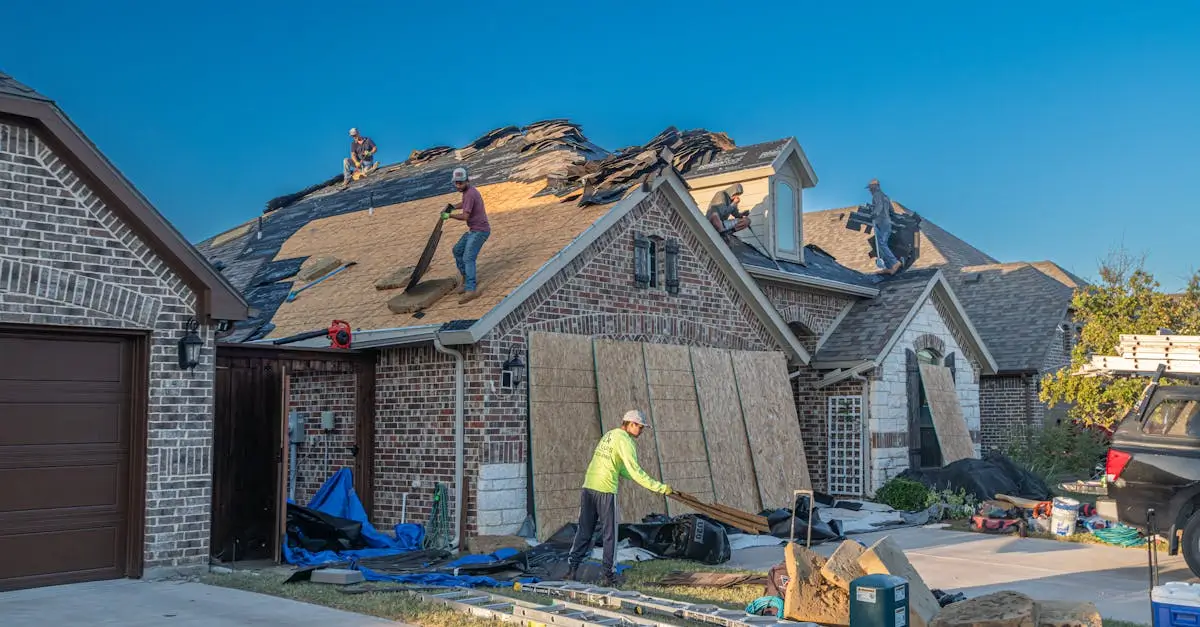
Hey, if you’re gearing up for a roof swap—whether you’re a homeowner eyeballing the dumpster or a contractor juggling freight quotes—figuring out shingle bundle weight is your secret weapon. It’s not just trivia; it dictates how big a bin you rent, how many trips the truck makes, and whether your wallet survives the haul. Honestly, I wasn’t expecting a few pounds per bundle to swing thousands in costs until I watched a buddy overload a trailer and pay triple for debris. Let’s break it down so you don’t repeat that mess.
Why Bundle Weight Runs the Show
Most folks fixate on color or warranty and totally blank on the scale. Big mistake. That shingle bundle weight decides everything from driveway cracks under pallets to surcharges when the dumpster tips past limits. Underestimate and you’re calling the rental company mid-tear-off, begging for mercy. Overestimate and you’re wasting cash on a bin half-empty. Kind of a smart move to get it right from jump.
Average numbers: architectural shingles clock 60–80 pounds per bundle. Three-tab? Lighter at 45–60. Those extra 20 pounds per bundle feel small until you stack 60 of them. Suddenly your truck’s squatting and the landfill’s laughing. Architectural’s thicker, tougher—built to shrug off 130-mph gusts. Three-tab’s slim, cheap, and quick to sling, but it curls faster in brutal sun.
One bundle. One ladder climb. One back tweak.
Quick Math to Nail Your Total Load
Grab a calculator—it’s easier than you think. Count your bundles, multiply by average weight. Three architectural bundles at 60–80 pounds each? That’s 180–240 pounds right there. Scale it up: a 20-square roof needs 60 bundles. Boom—3,600–4,800 pounds of new shingles rolling in, same coming off in busted chunks.
Real example: 2,000-square-foot roof = 20 squares. Architectural debris hits 3,600–4,800 pounds. Three-tab? 2,700–3,600. That 1,000-pound gap decides if a 10-yard bin cuts it or if you’re upgrading to 20-yard and eating the upcharge. Simple formula, massive savings.
Ever stared at a full dumpster and realized you miscalculated? Sound familiar?
Squares, Bundles, and Brand Quirks
Roofing runs on “squares”—100 square feet of coverage. Clean, standardized, keeps quotes consistent. Most bundles cover about one-third of a square, so three bundles = one square. Easy.
But brands play games. GAF Timberline HDZ gives you 33.3 square feet per bundle—spot on. CertainTeed Landmark matches close. XT25 three-tab? 32.5, so you sneak in an extra bundle on a 30-square job. Tiny tweaks, but on a big roof? That’s another pallet, another $200 in freight.
Full Weight Breakdown for Any Roof Size
Formula time: Total Weight = Bundles × Avg Weight per Bundle.
- 1,500 sq ft roof = 15 squares = 45 bundles.
- Architectural: 2,700–3,600 lbs.
- Three-tab: 2,025–2,700 lbs.
- 3,000 sq ft roof = 30 squares = 90 bundles.
- Architectural: 5,400–7,200 lbs.
- Three-tab: 4,050–5,400 lbs.
That’s your order sheet, your truck limit, your dumpster pick. Most 10-yard bins cap at 3,000–4,000 pounds of debris. 20-yarders swallow 6,000. Double layers on an old roof? Double the weight. Plan accordingly.
Shipping, Pallets, and Driveway Drama
Standard pallet = 42 bundles = 2,520–3,360 pounds = 14 squares. Big roof? Stack two, three pallets. Freight’s priced by pound, so architectural pallets push you into “heavy haul” territory fast—liftgates, boom trucks, $300 bumps easy. Local supplier with free delivery under 20 miles? Gold.
Job site access matters too. Delivery driver needs flat ground. Soft lawn + 3,000-pound pallet = ruts you’ll curse for years. Plywood sheets under tires save the yard and your sanity.
Dumpster Sizing Without the Guesswork
Tear-off weight = old shingles + felt + nails + flashings. Rough guide:
- 10-yard: Up to 1,500 sq ft three-tab.
- 15-yard: 1,500–2,000 sq ft architectural.
- 20-yard: 2,500+ sq ft or multi-layer jobs.
Call the rental company—get weight limits in writing. I’ve seen “unlimited” turn into $150/ton over 4,000 pounds. One client pre-weighed a sample square on a fish scale, multiplied, rented perfect size. Zero overages, rolled away smiling.
How Shingle Choice Hits Your Bank Account
Three-tab runs $90–$100 per square. Architectural? $105–$130. Gap’s $15–$30 per square, but durability closes it. Architectural’s 50-year warranty vs. three-tab’s 25 means fewer replacements, less hassle, higher resale value.
Full 2,000 sq ft example:
- Three-tab: 20 squares × $95 = $1,900 materials.
- Architectural: 20 squares × $120 = $2,400 materials.
Add labor ($4–$7/sq ft), dumpster ($400–$800), freight ($200–$500). Total lands $8,000–$12,000. Heavier shingles bump disposal and shipping, but you’re buying decades of peace.
DIY vs. Pro: Can You Muscle the Bundles?
80-pound bundle up a 32-foot ladder on a 6/12 pitch? Possible, but one slip and you’re in the ER. Pros bring conveyor belts, roof brackets, crews who sling bundles like pillows. They bundle debris removal, dumpster drop-off, permits—turnkey.
DIY saves $3,000–$5,000 in labor if you’ve got the crew and the back. But miscalculate weight, drop a bundle through a skylight, or overload your trailer? Those “savings” vanish fast.
Green Side: Recycle Those Old Shingles
Asphalt shingles aren’t trash—they’re road base. Many centers grind them into paving mix. Call ahead—some charge $50/ton, some free if clean. Knowing total weight helps them schedule grinders and trucks. You cut landfill fees, score eco-points, maybe snag a rebate.
Final
Master shingle bundle weight and you own the project. Right dumpster, right pallets, right budget, safe roof, happy contractor. Architectural brings the beef and the lifespan—worth the haul if you’re staying put. Three-tab keeps cash light and logistics easy—perfect for flips or quick fixes. Measure, multiply, order exact. One hour of math beats a week of chaos. Your roof, your truck, your spine—they’ll all thank you. Can your next job say the same?
For more informative blogs and resources, visit Lexus Sports Car.