
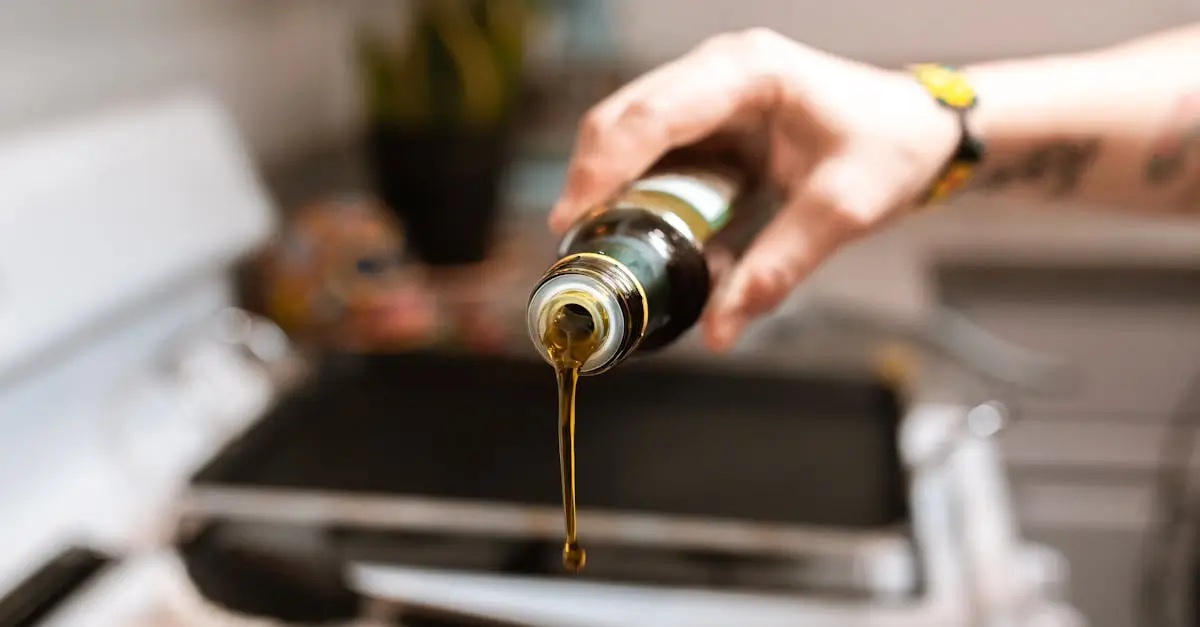
Hey, let’s talk about something we all drizzle on our salads or dip our bread in—olive oil. It’s been the star of that Mediterranean way of eating forever, right? Packed with flavor and those heart-friendly perks everyone raves about. But then you’ve got seed oils sneaking into everything, and honestly, I wasn’t expecting the backlash they get for how they’re made and what they might do to us. The whole olive oil versus seed oil thing isn’t just about what’s healthier on paper. It’s also about whether what’s in your bottle is even real.
What Makes Them So Different?
Seed oils come from, well, seeds—like sunflower, canola, or soybean. They go through a ton of refining to end up neutral-tasting with a sky-high smoke point. Perfect for frying up frozen nuggets or whatever’s in processed snacks. Olive oil? That’s squeezed straight from the fruit of olive trees. Fruit oil, not seed. Huge difference.
The top-shelf stuff, extra virgin, gets pressed cold without any chemicals. No heat, no solvents. That keeps all the good stuff intact—antioxidants, vitamins, those polyphenol compounds everyone’s buzzing about. We’re talking better heart health, less inflammation, maybe even a shield against diabetes or some cancers. In this matchup, the fruit version feels way more natural. Kind of a no-brainer.
Short version: olive oil wins on purity.
How Seed Oils Get Made (and Why It Worries Me)
Pulling oil from seeds means cranking up the heat and dumping in solvents like hexane. Then they bleach it, deodorize it—basically strip everything out so it lasts forever on shelves. Convenient for factories, sure. But you lose nutrients and pick up some nasty byproducts.
These oils pack omega-6 fats, especially linoleic acid. Your body needs some, but too much throws off the balance with omega-3s. Hello, extra inflammation. That can feed into heart issues, weight gain, even achy joints. Heat them too high and boom—aldehydes and free radicals show up, messing with your cells. No wonder people are ditching them for the olive stuff. Surprisingly smart swap if you ask me.
The Fake Olive Oil Mess—Yeah, It’s Real
You’d think something this beloved would be safe from scams. Nope. Fraud’s everywhere. Tests keep finding “extra virgin” bottles cut with cheap seed oils or low-grade leftovers. Some say up to 80% of Italian exports are sketchy. That stings your wallet and kills the health payoff you paid for.
Blame the crazy supply chain. Big players mix olives from all over—Spain, Greece, Syria, you name it—then slap a fancy label on. Sometimes actual crime rings are behind it, passing off Moroccan oil as premium Tuscan. How are we supposed to trust anything?
Ever bought a bottle that tasted off? Sound familiar?
How to Spot the Real Deal
You gotta play detective a bit. Here’s what actually works:
- Hunt for legit seals. PDO or PGI mean it’s from a protected region. In the States, look for California Olive Oil Council or NAOOA stamps—they test harder.
- Read the label like a hawk. Should say nothing but “olive oil.” Anything else? Probably blended with seed junk. Skip “pure” too—that’s code for refined.
- Buy smart. Stick to small farms, local shops, or brands that brag about third-party lab results. Single-origin bottles are easier to trace.
- Price check. Good stuff costs money—hand-picking olives ain’t cheap. Bargain bin? Red flag.
- Smell and taste. Real extra virgin hits you with fresh grass, fruit, maybe a peppery kick in the throat. Rancid or flat? Toss it.
Bonus: check the harvest date, not just “best by.” Fresher than 18 months old keeps the magic alive.
California bottles with that COOC seal? Gold standard here. Shorter trip from tree to table means less funny business. Can they keep that rep nationwide?
Why Olive Oil Still Rules Your Kitchen
Strip away the fraud worries and you’re left with a fat that’s stupidly good for you. Mostly monounsaturated—oleic acid lowers the bad cholesterol, lifts the good. Antioxidants like vitamin E fight the daily grind of oxidative stress. Chronic disease? It’s in your corner.
Only the cold-pressed extra virgin keeps all that firepower. Refined versions? Meh, most of it’s gone. So if you want the full perk package, hunt the real stuff.
Cooking-wise, it’s a champ. Drizzle on salads, roast veggies, finish pasta. Raw keeps the nuance; moderate heat holds up fine thanks to stable fats. Last week I swapped it into my go-to vinaigrette—game changer. You’ll thank yourself.
Bold move ditching seed oils entirely? What do you think?
Wrapping It Up
Bottom line, seed oils are cheap and everywhere, but the industrial ride and omega-6 overload give me pause. Olive oil brings the nutrients and that straight-from-the-tree vibe—if it’s legit. With scams still running wild, check those labels, trust your nose, and maybe spend a couple extra bucks. You’ll taste the difference and feel better doing it.
For more informative blogs and resources, visit Lexus Sports Car.