
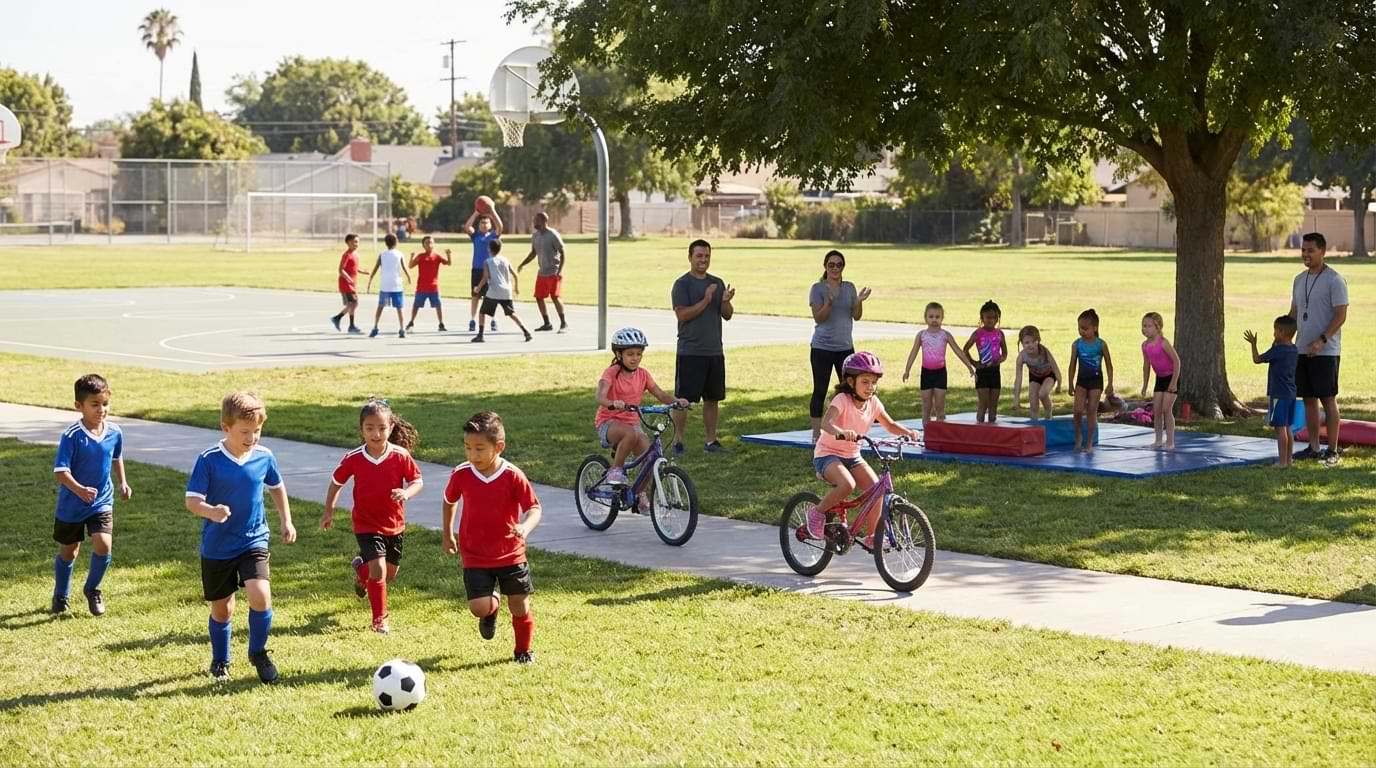
Picking the right sport for your kid isn’t just about what looks cool on TV or what their friends are doing—it’s about matching their age, body development, and energy to activities that build skills, confidence, and a lifelong love for movement. From wobbly toddlers to competitive tweens, each stage calls for different sports that prioritize fun, safety, and growth over trophies. This guide breaks it down by age group, pulling from what coaches, pediatric experts, and real-world programs emphasize in 2026: holistic development that dodges burnout and injuries while sparking joy.
Why Age Matters in Youth Sports
Kids aren’t mini-adults. Their bones, brains, and coordination evolve fast—think growth plates staying open until 14-16 for most, finer motor skills kicking in around 7, and abstract strategy not clicking until 10-12. Early sports build neural pathways for balance and speed, but push too hard too soon, and you risk overuse injuries like Little League elbow or stress fractures. The sweet spot? Variety through “sport sampling” until 12, then specialize if they crave it. Benefits stack up: better focus in school, stronger bones, lower obesity odds, and teamwork smarts that last. Prioritize non-contact, skill-focused options early; add competition later.
Ages 2-4: Toddler Playgrounds – Focus on Fun and Fundamentals
At this stage, it’s less “sport” and more joyful chaos. Kids this young thrive on free play that hones gross motor skills like running, throwing, and kicking without rules or scores. Goal: 60 minutes of unstructured activity daily to wire their vestibular system (balance) and proprioception (body awareness). No drills—just giggles.
Top Picks:
-
Soccer (Parent-Child Classes): Tiny tots chase soft balls in 15-minute games. Builds chasing, kicking coordination without pressure. Programs like Tiny Tots Soccer keep it game-like, slashing parental stress while boosting early agility. Avoid full matches; it’s about tumbling happily.
-
Swimming: Water play classes (not lessons yet) teach buoyancy and arm paddles. Drown-proofing bonus, plus low-impact joint love. Red Cross Parent-Tot sessions hit 30 minutes of splashing—perfect for fearful first-timers.
-
Gymnastics (Playgym): Tumbling mats, balance beams at knee height. Develops core strength, spatial awareness via forward rolls and animal crawls. USA Gymnastics Tot Lots emphasize imagination—no competitions.
Weekly Plan: 2-3 sessions, 30-45 mins each. Home add-ons: Bubble chasing or obstacle courses from couch cushions. Red flags: Tears from frustration? Dial back.
Pro Tip: These build the “movement alphabet” – ABCs of athletics. A 2025 study showed kids in play-based programs had 25% better coordination by kindergarten.
Ages 5-7: Little Legends – Skill-Building Without Scores
Kindergarteners burst with energy but lack impulse control or long attention spans. Sports here emphasize basic literacy: dribble, pass, throw. Sessions cap at 45-60 mins, 1-2x/week, with massive coach involvement. Focus: Multilateral development to prevent early specialization pitfalls like single-sport burnout.
Top Recommendations:
-
T-Ball/Baseball Soft-Toss: Tee-fed hits teach swing mechanics, base running. Little League Tee Ball keeps it hit-and-giggle, no outs called. Eye-hand coordination soars; hand speed improves 15-20% in a season.
-
Basketball (Mini-Hoops): 3×3 games on 8-foot rims with smaller balls. Dribbling drills and relays build ball control, spatial judgment. Jr. NBA Start programs add fun themes like superhero challenges.
-
Martial Arts (Taekwondo/Karate): White-belt basics—punches, kicks, stances. Discipline shines through belts; balance and focus jump. Anti-bullying ethos is gold for shy kids.
-
Track & Field Events: Relay races, long jump from mats. Pure speed and power without team drama. AAU KIDS programs mix hurdles and shot put toys.
Sample Schedule: Mon: Soccer, Wed: Swim/Gym, Sat: Track. Total: 3 hours/week max. Parents coach positivity—no yelling from sidelines.
Why It Works: This age craves mastery. Short bursts prevent boredom; variety tests strengths. Injury risk plummets with no heading (soccer) or checking (hockey).
Ages 8-10: Mighty Middles – Adding Teamwork and Tactics
Now muscles coordinate better, attention holds for 60-90 mins, and social bonds form. Introduce light competition (house leagues), but cap seasons at 2-3 months. Strength emerges via bodyweight; plyos peek in. Girls often excel here in speed sports due to neuromuscular edges pre-puberty.
Standout Sports:
-
Football (Soccer): 7v7 formats, small fields. Passing, positioning basics without physicality overload. FIFA Youth recs cap training at 75 mins; builds endurance (VO2 max up 10-15%).
-
Volleyball: Net at chest height, beach or indoor mini-games. Jumping, serving hones timing. USA Volleyball Juniors starts doubles—less intimidating than full teams.
-
Swimming Competitive Intro: 25m races, stroke clinics. Laps build lungs; team relays foster belonging. Year-round clubs like YMCA balance fun with freestyle perfection.
-
Tennis: Rally drills to 10 shots, mini courts. Agility ladders, volleys sharpen reflexes. USTA 10U programs use red balls—slower bounce for confidence.
-
Lacrosse (Soft Stick): Intro sticks, no checking. Catching, cradling translates to hand-eye gold. US Lacrosse K-8 keeps it inclusive.
Training Template: 3x/week practice, 1 game. Cross-train: Yoga for flexibility. Track metrics like 20m sprint times for fun.
Key Insight: Peer approval matters—team sports curb isolation. A 2026 pediatric review linked this window to peak bone density gains from jumping sports.
Ages 11-13: Tween Titans – Power, Strategy, and Puberty Prep
Puberty hits unevenly—boys bulk, girls speed. Coordination peaks; abstract thinking allows game IQ. Sessions stretch to 90-120 mins, 4-5x/week for committed kids. Add weights (bodyweight/light dumbbells) and position-specific drills. Watch for growth spurts causing clumsiness.
Elite Options by Interest:
-
Basketball: Full court 5v5, AAU travel teams. Dribble moves, pick-and-roll tactics. Vertical leap drills pay off big.
-
American Football (Flag/Intro Tackle): Flag first for speed/skill sans helmets. NFL FLAG booms with non-contact thrills; transitions to tackle at 12.
-
Ice/Field Hockey: Skating edges, stickhandling. Builds anaerobic power; team chemistry deepens.
-
Gymnastics/Cheer Advanced: Floor routines, vaults. Elite flexibility, strength—ideal for artistic kids eyeing scholarships.
-
Cross Country/Running: 5K races, interval training. Mental toughness for distance; low cost, high reward.
-
Soccer Club Level: 11v11, technical camps. Our prior football chats align—sprint speed from strength base shines here.
Weekly Commitment: 4 practices, 2 games. Recovery: 1-2 rest days. Nutrition ramps—high-protein like our meal plan.
Puberty Pivot: Boys lean power sports; girls endurance/flex (e.g., soccer vs. track). Mixed teams still ace social skills.
Ages 14+: Teen Trailblazers – Specialization with Balance
High school era—scholarship dreams brew. Full training loads (10-15 hours/week), but cap one sport at 8 months/year. Strength rooms open; periodized plans rule. Mental coaching combats pressure.
Advanced Picks:
-
Rowing/Crew: Erg machines, water sprints. Total-body cardio beast; team camaraderie.
-
Wrestling: Grappling pins strategy with strength. Confidence rocket; low gear cost.
-
Ultimate Frisbee: Non-contact field sport—sprints, cuts like soccer. Growing club scene.
-
Golf: Swing mechanics, mental game. Lifetime sport; college paths abound.
High School Hot List Comparison
| Sport | Physical Demand | Team vs. Individual | Injury Risk | College Potential |
|---|---|---|---|---|
| Soccer | High endurance | Team | Medium | Excellent |
| Basketball | Explosive power | Team | High | Very High |
| Track | Speed/specialty | Individual/Relay | Low | Strong |
| Volleyball | Vertical jumps | Team | Medium | Good |
| Swimming | Technique/endurance | Team/Indiv | Very Low | Elite |
Long-Term Tip: Multi-sport athletes outperform specialists pre-16 per NCAA data—reduced injury, broader skills.
Cross-Cutting Essentials for All Ages
Safety First: USA Lacrosse mandates coach certs; check USA Sport rules. Helmets/pads where needed; hydration stations mandatory. Screen for concussions immediately.
Nutrition Ties In: Fuel like our high-protein plan—post-practice shakes for toddlers too (peanut butter banana). Calcium/vit D for bones.
Mental Game: Praise effort, not wins. Burnout signs? Irritability, skipped practices—rotate sports.
Inclusivity: Adaptive programs for disabilities (e.g., wheelchair soccer). Girls’ options exploded—Title IX 2.0 vibes.
Gear & Costs: Start cheap—borrow cleats. Annual budgets: $200-500 early, $1k+ teens.
Parent Playbook: Volunteer coach, carpool, cheer positively. Track progress via journals, not just scores.
Read More: High-Protein Meal Plan for Athletes
Real Results and Final Push
Kids in age-smart sports show 30% higher retention rates into adulthood, per Aspen Institute. From our football series, imagine a 6-year-old starting soccer drills, sprinting faster by 10, protein-fueled at 14, club starter. It’s a marathon—nurture the spark.
Dive in: Local rec centers list programs. Chat coaches early. Your kid’s future self thanks you.